


Spring is a season of renewal and color, and few things capture that spirit quite like spring flowers. Whether you’re an experienced gardener or just starting out, adding vibrant blooms to your garden is one of the easiest ways to bring joy and life to your outdoor space. This article introduces 18 stunning spring flowers that not only brighten your garden but also offer diverse colors, shapes, and benefits. From delicate pink petals to bold yellow bursts, these flowers are sure to inspire your next planting project.
Why Spring Flowers Matter in Your Garden
Spring flowers do more than just look pretty. They signal the end of winter dormancy, encouraging pollinators like bees and butterflies to awaken and thrive. This seasonal bloom kickstarts the ecosystem in your garden, improving soil health and attracting wildlife that help keep pests in check naturally. Beyond ecology, spring flowers create an atmosphere of drama and freshness that sets the tone for your entire growing season.
Colors in spring aren’t just pretty. They evoke feelings of hope and energy. Adding a mix of pink, purple, yellow, and other hues ensures your garden feels lively and dynamic right when you need it most.
About Spring Flowers
Spring flowers are plants that naturally bloom during the spring months, usually between March and June, depending on your region. These blooms are specially adapted to the cooler temperatures and longer daylight of early growth season. Common examples include tulips, daffodils, and hyacinths.
In essence, spring flowers are the first signs of life in a garden after winter. They are celebrated for their early bloom times and a wide variety of colors and forms that can fit any garden style, from wildflower meadows to neat formal beds.
18 Must-See Spring Flower Names and Pictures
Here, we break down the must-have spring flowers by color and character, helping you envision how each will transform your garden.
Pink Spring Flowers
1. Peony

Peonies offer lush, large blooms in soft to vibrant pink shades. Their fragrant flowers can add romance and elegance. Best grown in well-drained soil with full sun, peonies thrive for years once established.
2. Tulip

One of the most iconic spring flowers, tulips come in almost every shade of pink imaginable. Their clean, simple shape complements any garden bed or container.
3. Bleeding Heart (Dicentra spectabilis)

With delicate, heart-shaped pink flowers dangling gracefully, bleeding hearts bring a whimsical charm. They prefer partial shade and moist soil.
Purple Spring Flowers
4. Hyacinth
 Hyacinths produce dense spikes of fragrant purple flowers. They flourish in full sun and well-drained soil, perfect for adding scent and color drama.
5. Crocus
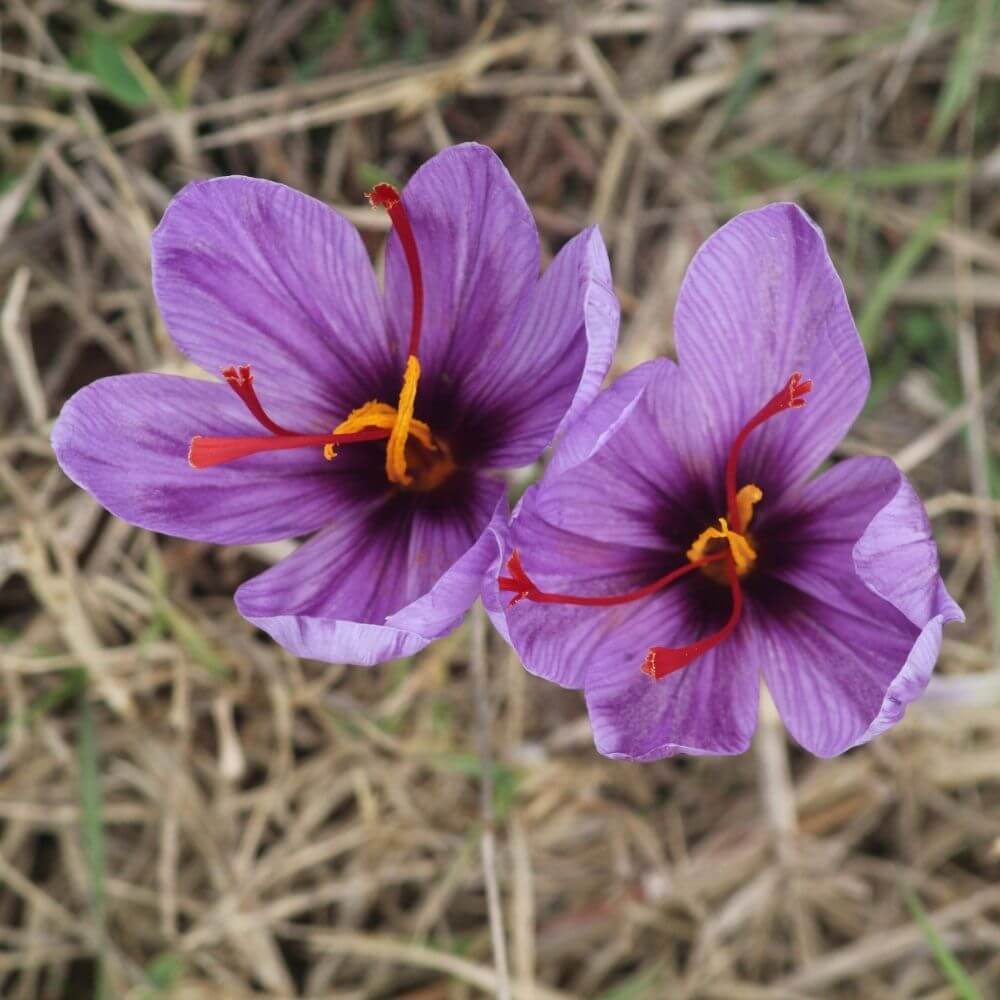 Small but mighty, crocuses burst through the soil early in spring with vibrant purple petals, often naturalizing in lawns and borders.
6. Allium
 With globe-shaped blooms atop tall stems, alliums create architectural interest. Their purple hues attract pollinators and add height variety.
Yellow Spring Flowers
7. Daffodil (Narcissus)

Daffodils are a classic spring symbol, boasting cheerful yellow trumpets. They’re hardy, low-maintenance, and great for naturalizing.
8. Forsythia
 This shrub blooms early with vivid yellow flowers before leaves appear, offering a brilliant splash of color.
9. Yellow Tulip
 Bright yellow tulips bring warmth and energy to beds and pots, often combined with complementary colors like purple or white.
Spring Flowers with Drama and Impact
10. Magnolia
 Magnolia trees and shrubs display large, fragrant white or pink flowers that create a bold statement in any garden.
11. Cherry Blossom (Sakura)

Famous worldwide, cherry blossoms produce clouds of delicate pink or white flowers, offering fleeting but unforgettable spring beauty.
12. Rhododendron

Rhododendrons produce large clusters of showy flowers, often in pinks, purples, and reds. They thrive in acid soil and shaded conditions.
13. Camellia

Camellias bloom from late winter into spring with glossy green leaves and large, rose-like flowers in pinks and reds.
14. Lilac

Lilacs provide intoxicating fragrance and lovely purple or white flowers in dense clusters.
15. Anemone

Anemones, sometimes called windflowers, bloom in early spring with vibrant colors including purples, pinks, and whites.
16. Hellebore (Christmas Rose)

Blooming from late winter into early spring, hellebores offer subtle, muted colors and unique flower shapes that last a long time. While it is a stunning spring flower, it’s worth noting that it is highly toxic if ingested by pets or humans.
17. Iris

Iris flowers, often purple or blue, have striking, ruffled petals and grow well in sun or part shade.
18. Sweet Pea

Sweet peas are climbers with fragrant, delicate flowers in a rainbow of colors including pinks and purples, perfect for vertical spaces.
Caring for Your Spring Flowers
Spring flowers need a little TLC to shine. Here are some key care tips:
- Soil: Most spring flowers prefer well-drained soil rich in organic matter. Adding compost before planting helps.
- Watering: Keep soil moist but avoid waterlogging, especially for bulbs like tulips and daffodils.
- Light: While many spring flowers thrive in full sun, some like bleeding hearts and hellebores prefer shade or partial shade.
- Fertilizing: Use a balanced, slow-release fertilizer early in the season to encourage strong growth.
- Pruning: Remove spent blooms to encourage more flowering and reduce disease risk.
- Common Challenges: Watch for pests like aphids and fungal diseases. Early morning watering and good air circulation help prevent problems.
Spring Flowers to Support Local Pollinators
While most gardeners admire spring flowers for their beauty, I believe their role in supporting pollinators deserves more attention. Recent research from the Xerces Society (2024) highlights that early-blooming flowers like crocus and dandelions are crucial for awakening pollinators after winter.
Choosing a mix of spring flowers that bloom sequentially ensures a steady food source for bees, butterflies, and hummingbirds. For example, planting crocus, followed by tulips, then rhododendrons can create a continuous nectar corridor.
A practical tip: avoid pesticides and opt for native spring flowers when possible. This not only benefits pollinators but leads to a more resilient garden ecosystem. One gardener shared how incorporating native spring flowers increased bee visits by 40% in just two seasons.
Where to Find the Best Spring Flowers and Resources
To get started, local nurseries and reputable online seed suppliers offer a wide range of spring flower bulbs and seeds. Websites like the Royal Horticultural Society (rhs.org.uk) provide excellent guidance on varieties suited to your climate.
If you want to dive deeper into pollinator-friendly planting, the Xerces Society website offers research-based resources and planting guides. For visuals and names, gardening books like “The Flower Garden” by Penelope Hobhouse showcase beautiful spring flowers with detailed photos.
FAQs About Spring Flowers
What flowers bloom in spring?
Many flowers bloom in spring as temperatures rise and daylight increases, making it the most colorful gardening season. Popular spring-blooming flowers include tulips, daffodils, crocuses, hyacinths, and peonies. Trees and shrubs like cherry blossoms, magnolias, and forsythia also bloom during spring. These flowers thrive in cool to mild weather and often signal the end of winter.
What is the spring flower?
There is no single flower officially called 'the' spring flower, but several blooms strongly represent the season. Tulips and daffodils are most commonly associated with spring due to their early blooming and wide availability. They symbolize renewal, growth, and fresh beginnings. Their appearance marks the true start of the spring gardening season.
What is the most famous spring flower?
The tulip is widely considered the most famous spring flower in the world. It is celebrated for its bold colors, elegant shape, and strong connection to spring festivals. Tulips are especially iconic in countries like the Netherlands, where spring tulip fields attract millions of visitors. Their popularity makes them a global symbol of spring.
Which is the first flower of spring?
The crocus is often regarded as the first flower of spring. It blooms very early, sometimes even pushing through snow-covered ground. Crocuses are hardy, low-growing flowers that signal the transition from winter to spring. Their early appearance makes them a favorite among gardeners.
What flowers are available in spring?
Spring offers a wide variety of flowers, ranging from bulbs to shrubs and trees. Common spring flowers include tulips, daffodils, hyacinths, crocuses, anemones, irises, and lilacs. Flowering trees such as cherry blossoms and magnolias are also widely available. This diversity makes spring ideal for colorful garden planning.
What flower only blooms in the spring?
Some flowers are strictly spring bloomers and do not flower in other seasons. Tulips and daffodils are classic examples, as they bloom in spring and then go dormant. These flowers rely on winter chilling to produce blooms. Once spring ends, their flowering cycle is complete until the following year.
Final Thoughts
Spring flowers bring more than just color. They bring life, hope, and renewal to your garden and the local environment. With these 18 must-see varieties, you have a palette of options to brighten your outdoor space while supporting the natural world. Start planning your spring garden now, pick your favorites, and don’t hesitate to experiment with colors and shapes to make your garden uniquely yours.
I’d love to hear which spring flowers you’re excited to plant this season. Feel free to share explore more about my flower guides, state flowers of USA, National Flowers by Countries:


